
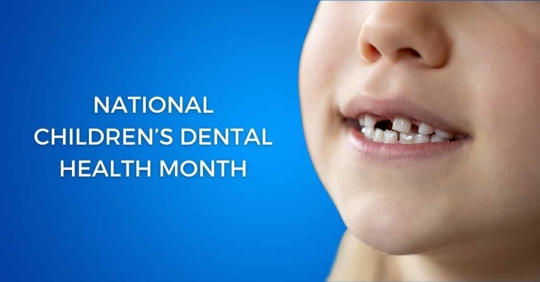
February is a special time of year for families. While many are thinking about Valentine’s Day, the dental community is celebrating National Children’s Dental Health Month. This month is dedicated to raising awareness about the importance of oral health for our youngest patients. As a parent, you want the best for your child, but managing their teeth can sometimes feel like a daunting task. Between busy school schedules and the constant presence of sugary snacks, "sugar bugs"—the common term many kids use for the bacteria that cause cavities—can seem like an invisible enemy. At ProHEALTH Dental, we believe that education is the first step toward a lifetime of healthy smiles.
If you are looking for a gentle, welcoming environment for your child’s next checkup, please reach out to us today via our online contact form or call (855) 750-5011 to schedule an appointment.
Understanding "Sugar Bugs" and Plaque
When we talk to children about "sugar bugs," we are actually talking about dental plaque. Plaque is a sticky, colorless film of bacteria that constantly forms on our teeth. When children eat or drink foods containing sugars or starches, these bacteria produce acids. These acids are what attack the hard outer layer of the tooth, known as enamel. Over time, the enamel breaks down, and a small hole called a cavity can form.
It is important to remember that cavities are very common, and having one is not a sign of "bad parenting." Our goal at ProHEALTH Dental is to provide a judgment-free zone where we can work together to protect your child's teeth. We understand that life can be busy, and sometimes bedtime brushing sessions are cut short. By understanding how plaque works, we can take simple, daily steps to keep those "sugar bugs" at bay and ensure your child’s mouth remains healthy and pain-free.
Establishing a Solid Brushing Routine
The foundation of good oral health starts at home with a consistent brushing routine. For many parents, getting a toddler or school-aged child to brush for the recommended two minutes can feel like a marathon. However, consistency is key to making this a lifelong habit rather than a daily struggle. We recommend brushing twice a day: once in the morning after breakfast and once right before bed. The nighttime brush is the most critical because it removes the food particles and sugars that have accumulated throughout the day, preventing them from sitting on the teeth overnight.
To help your child get the most out of their brushing routine, consider the following tips:
Choose the right tools: Use a soft-bristled toothbrush that fits comfortably in your child’s mouth and a pea-sized amount of fluoride toothpaste for children over three.
Use the right technique: Encourage your child to brush in small, circular motions rather than scrubbing back and forth, which can be hard on the gums.
Don't forget the tongue: Bacteria love to hide on the tongue, so a gentle brush there can help keep breath fresh and the mouth clean.
Make it a game: Use a timer, a favorite song, or a fun app to ensure they are brushing for a full two minutes.
Lead by example: Let your child see you brushing your own teeth, so they understand that oral hygiene is a priority for the whole family.
By turning brushing into a positive, shared activity, you reduce the "chore" aspect of the routine. When children feel like they have a choice—such as picking out their own toothbrush color or flavor of toothpaste—they are much more likely to participate willingly.
The Importance of Flossing Early
Many parents ask our dental practice when they should start flossing their child’s teeth. The general rule is to start flossing as soon as two teeth touch each other. Brushing is excellent for cleaning the tops and sides of teeth, but the bristles simply cannot reach the tight spaces in between. This is where "sugar bugs" love to hide, and it is a common site for cavities in children.
Starting flossing early helps your child get used to the sensation, making it a normal part of their day. If traditional string floss is difficult to manage, many parents find that flossing picks designed for kids are much easier to use. These often come in bright colors and are shaped to fit easily into smaller mouths. Like brushing, flossing should be done gently to avoid irritating the gums, focusing on sliding the floss up and down the side of each tooth.
Why Fluoride is a Superpower for Teeth
Fluoride is a naturally occurring mineral that plays a massive role in preventing cavities. Think of fluoride as a shield for your child’s teeth. It works by "remineralizing" the enamel, which means it helps put back the minerals that acids have stripped away. This makes the teeth stronger and more resistant to future acid attacks.
Most communities in our area have fluoride in the tap water, which is a great way for children to get a steady, low dose of protection. Additionally, using a fluoride toothpaste provides a concentrated boost directly to the tooth surfaces. During a routine visit to ProHEALTH Dental, we may discuss professional fluoride treatments. These are quick, painless applications of a concentrated fluoride gel or varnish that provide an extra layer of defense for several months.
Protecting Smiles with Dental Sealants
As children get older and their permanent molars begin to grow in—usually around age six—they have new surfaces that are particularly vulnerable to decay. Molars have deep grooves and pits on their chewing surfaces, where food and bacteria can easily become trapped. Even the most diligent brushers may struggle to clean these deep crevices. This is where dental sealants come into play.
A sealant is a thin, protective coating that a dental professional paints onto the chewing surfaces of the back teeth. It acts as a physical barrier, sealing out food and plaque. The process is very simple and does not involve any drilling or removal of tooth structure. It is a proactive step that can significantly reduce the risk of cavities in the most vulnerable areas of the mouth. While sealants are not a replacement for brushing, they are an incredibly effective tool in our prevention toolkit.
Making Dental Visits a Positive Experience
At ProHEALTH Dental, we understand that many adults carry anxiety about the dentist from their own childhood experiences. You might fear receiving bad news or worry about the sounds and smells of a dental practice. We want to break that cycle for your children. Modern pediatric dentistry is focused on comfort, patience, and fun.
We recommend that a child have their first dental visit by their first birthday or when their first tooth appears. These early visits are less about "procedures" and more about getting the child comfortable in the office environment. We call these "happy visits," where we might just count their teeth and let them sit in the "magic" chair.
To help your child feel brave, avoid using "scary" words like "shot," "drill," or "pain" when talking about the visit. Instead, tell them the dentist is going to "count their teeth" or "give them a sparkly smile." If you are feeling anxious, try to stay calm and positive, as children often pick up on their parents' emotions. Our team is trained to work at your child's pace, ensuring they feel safe and respected throughout their appointment.
Schedule a Visit at Our ProHEALTH Dental Dental Practice
A healthy smile is one of the greatest gifts you can give your child, and it all starts with preventive care and a supportive team. Whether your child is due for a routine cleaning or you have questions about their dental development, we are ready to help you navigate the journey of oral health. We invite you to experience the caring, professional environment we have built for families throughout our community. To take the next step in protecting your child's smile, please fill out our online contact form or call our team today at (855) 750-5011.