
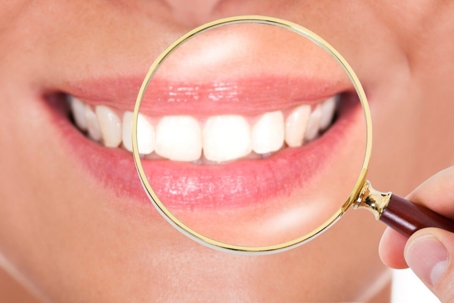
If you’re considering cosmetic dental treatment, it’s natural to wonder whether your insurance plan will help cover the cost. Many patients feel confused when they hear that cosmetic dentistry is “not covered,” especially when some procedures seem to support appearance and oral health. The reality is that there isn’t a simple yes-or-no answer.
Dental insurance coverage often depends on how a procedure is classified and whether it’s considered medically necessary. Some treatments that improve the look of your smile may also restore function or protect your oral health.
This guide breaks down how insurance companies make coverage decisions so you can better understand your options before moving forward.
What Counts as Cosmetic Dentistry?
Cosmetic dentistry generally refers to treatments that improve the appearance of teeth, gums, and smiles. These procedures focus on enhancing the appearance of teeth rather than addressing pain, disease, or functional problems. Patients often choose cosmetic treatments to improve tooth color, shape, alignment, or overall symmetry.
Common cosmetic dental procedures include:
- Teeth whitening
- Veneers
- Cosmetic bonding
Because these procedures are typically intended to improve aesthetics, insurers often classify them as elective. That classification is a major factor in whether a dental plan will cover the cost, even when the results can boost confidence and quality of life.
Why Dental Insurance Often Doesn’t Cover Cosmetic Procedures
Dental insurance is designed primarily to help manage the costs of maintaining oral health, preventing disease, and restoring function. For this reason, insurance companies tend to focus on whether a treatment is considered “medically necessary.” A procedure may be deemed not medically necessary if it does not treat decay, infection, pain, or structural impairment.
Cosmetic treatments are often considered elective because they are chosen to improve appearance when teeth are otherwise healthy and functional. Even when a procedure offers some functional benefit, insurers may still categorize it as cosmetic if the primary goal is to enhance the smile's appearance rather than restore oral health.
Plan-specific details also matter. Coverage decisions can be influenced by exclusions, waiting periods, annual maximums, and how services are coded. It’s important to note that a lack of coverage does not reflect the value of cosmetic dentistry. It reflects how insurance plans define their benefits.
When Cosmetic Dental Procedures May Be Covered
Often, a gray area exists between cosmetic and restorative dentistry. In some cases, a procedure that improves appearance may also be necessary to restore function, repair damage, or prevent further oral health issues. When a treatment is deemed medically necessary, insurance coverage may apply, at least in part.
Coverage may be more likely when a procedure supports oral health, function, or long-term prevention. Documentation and diagnosis are key, as insurers often require justification for treatment.
Examples of procedures that may be covered depending on circumstances include:
- Crowns for damaged or weakened teeth
- Bonding to repair a chipped or cracked tooth
- Orthodontics tied to bite or jaw issues
In these situations, insurance coverage often depends on how the procedure is documented and whether it meets the plan’s criteria for medical necessity.
Procedures That Are Typically Not Covered
Some cosmetic dental treatments are almost always considered elective, regardless of individual circumstances. Insurers generally view these procedures as aesthetic enhancements rather than as health-related treatments.
Commonly non-covered procedures include:
- Teeth whitening
- Veneers for aesthetic purposes
- Smile makeovers without functional concerns
The reasoning is straightforward: when a procedure does not address disease, damage, or functional impairment, insurance plans typically exclude it from coverage. Understanding this distinction can help set realistic expectations before treatment planning begins.
How to Understand Your Dental Insurance Benefits
Reading dental insurance benefits can feel overwhelming, but a few key steps can make the process more manageable. Reviewing plan documents carefully can clarify how terms such as “elective,” “medically necessary,” and “exclusions” are defined. These definitions are often central to coverage decisions.
Pre-treatment estimates are another helpful tool. They provide an overview of how a procedure may be covered before treatment begins, helping patients anticipate potential out-of-pocket costs. Dental offices can also assist by explaining how procedures are typically classified and what documentation may be required, though coverage decisions are ultimately made by the insurance provider.
For patients without coverage, alternative options may help manage costs. Programs like ProHEALTH Dental’s VIP Program offer discounts on cosmetic and restorative services, making it easier to plan care without traditional insurance.
Making Informed Decisions About Your Smile
Whether a cosmetic dental procedure is covered by insurance depends on the treatment itself and whether it serves a medical or functional purpose. Understanding how insurance plans define necessity can help you make treatment decisions with greater clarity and confidence. Thoughtful conversations about your oral health goals, treatment options, and potential costs can make a meaningful difference in your experience.
At ProHEALTH Dental, patient education is a priority, helping individuals explore their options and understand how cosmetic and restorative care fit into long-term oral health planning. Book an appointment online.