
If you’re considering dental implants to replace missing teeth, one of the first questions that likely comes to mind is how long they last. It’s an important question—and a common one. Dental implants are often described as a long-term solution, but their lifespan isn’t the same for every patient or every situation.
At ProHEALTH Dental, patients are encouraged to view dental implants as part of an ongoing oral health plan rather than a one-time fix. Understanding what influences implant longevity can help you set realistic expectations and take an active role in protecting your results.
The Short Answer: Dental Implants Are Designed to Last Long-Term
Dental implants are designed to be durable and to function much like natural teeth. In general, they are considered a long-term option for replacing missing teeth, whether that means a single tooth or a more complex restoration involving multiple teeth.
That said, there isn’t a single timeline that applies to everyone. How long dental implants last depends on a combination of factors, including oral health, daily habits, and the quality of maintenance. Rather than focusing on a specific number of years, it’s more helpful to understand what supports long-term success.
Understanding the Parts of a Dental Implant
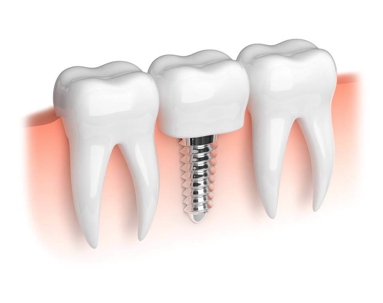
One reason implant longevity can be confusing is that a dental implant isn’t just one piece. It’s made up of several components, and each plays a different role.
A dental implant typically includes:
- Implant post – Placed into the jawbone, where it acts as an artificial tooth root and provides stability
- Abutment – The connector that attaches the implant post to the visible tooth
- Crown – The custom-made tooth that restores appearance and function
Although the implant post is designed for long-term use, other components—especially the crown—may require maintenance or replacement due to normal wear. This distinction helps explain why patients may receive different answers when asking about the longevity of implants.
Factors That Affect How Long Dental Implants Last
Dental implant longevity isn’t one-size-fits-all. Several variables influence how well an implant holds up, many of which are tied to overall oral health and lifestyle.
Key factors include:
- Oral hygiene habits – Consistent brushing, flossing, and professional cleanings help protect the surrounding gum tissue
- Overall oral health – Healthy gums and adequate bone support are essential for long-term stability
- Health conditions – Conditions like diabetes or habits such as smoking can affect healing and long-term outcomes
- Bite forces and habits – Teeth grinding or clenching can place extra stress on implants
- Type and complexity of the case – A single-tooth implant may differ from full-arch restorations in planning and maintenance needs
Each of these elements can influence how an implant performs, which is why personalized care and follow-up matter.
Why Ongoing Care Plays a Major Role
Although dental implants are not natural teeth, they still require regular care. Plaque and bacteria can affect the gums and bone around an implant in much the same way they affect natural teeth.
Routine dental visits allow your dental team to monitor the implant, surrounding tissue, and bite alignment. At home, daily oral hygiene helps reduce the risk of inflammation or infection that could compromise the implant’s support. Long-term success often depends on this combination of professional care and personal responsibility.
What Patients Should Know Before Choosing Dental Implants
Dental implants can be an effective way to replace missing teeth, but they work best when patients understand the commitment required. Choosing implants means committing to regular dental care, good oral hygiene, and realistic expectations for long-term maintenance.
A thorough evaluation and open conversation with your dental provider can help determine whether implants are a good fit for your needs and how to properly care for them.
Does the Type of Dental Provider Matter?
Dental implant treatment may involve different dental providers at different stages of the process. In many cases, a general dentist can place dental implants, manage treatment planning and follow-up care, and restore the visible tooth once healing is complete.
When implant placement involves surgically placing the post into the jawbone, a periodontist typically performs that portion of care. Periodontists have advanced training in gum health and bone support, which can be important in more complex implant cases.
At ProHEALTH Dental, patients have access to general dentists and periodontists within the same dental team. Periodontists rotate between several practice locations, including Lake Success, Huntington, and Howard Beach, allowing patients to receive appropriate care without needing to seek treatment outside the practice.
We also have our ProHealth Dental Implant Center, where dental implant treatment is provided through a collaborative approach involving a prosthodontist and a periodontist. Dr. Valauri, a prosthodontist, oversees restorative planning, while Dr. Karnofsky, a periodontist, performs implant placement. This team-based approach supports precise planning, careful placement, and long-term outcomes.
Supporting Long-Term Oral Health with the Right Dental Team
Dental implants are intended to be a long-term solution, but their lifespan depends on thoughtful planning, proper placement, and ongoing care. By understanding the factors that influence longevity, patients can make informed decisions and take steps to protect their oral health.
At ProHEALTH Dental, dental implant care is approached as part of a broader commitment to whole-mouth wellness. With the right guidance and consistent care, implants can play a meaningful role in restoring function and confidence over the long term.
If you’re considering dental implants and want to understand what long-term care may look like for your specific needs, a personalized conversation can be helpful. Call (855) 750-5011 or book online.