
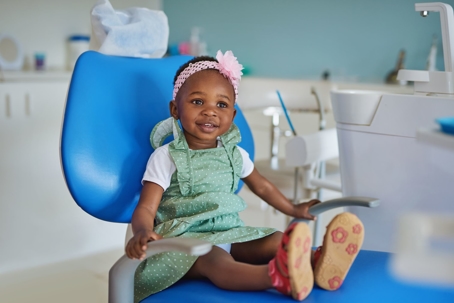
Taking your child to the dentist can raise a mix of questions and emotions, especially if it’s their first visit. Many parents wonder when to start, what will happen during the appointment, and how to help their child feel comfortable.
Pediatric dental visits are designed to be preventive, gentle, and educational, helping children develop positive associations with dental care from an early age.
At ProHEALTH Dental, we aim to create an environment where families feel informed and supported, with visits focused on learning, comfort, and long-term oral health. Knowing what to expect can make these appointments feel more manageable and help you prepare your child with confidence.
When Should Children Start Seeing a Dentist?
MouthHealthy, the American Dental Association’s oral health education resource, advises that children see a dentist when their first tooth appears or no later than their first birthday. Early visits allow dental providers to monitor the development of teeth and gums and identify potential concerns while they are still minor. These initial appointments also provide an opportunity to establish a baseline for oral health and to provide parents with guidance on caring for their child’s teeth from the very beginning.
Early dental visits are less about treatment and more about familiarity and prevention.
As soon as children have teeth, they can:
- Develop cavities
- Sustain injuries
- Show developmental concerns that benefit from professional evaluation
Starting early helps prevent dental problems before they begin and supports healthy teeth and gums as your child grows.
These early checkups also provide parents with guidance on daily care and habits that support healthy growth.
What Happens During a Pediatric Dental Visit?
A pediatric dental visit is designed to be calm, age-appropriate, and informative for children and parents. The appointment typically begins with a gentle examination of your child’s mouth to assess the development of their teeth, jaw, and gums. The dentist also checks for signs of cavities, injuries, or other concerns that may require attention.
Care is tailored to your child’s age, comfort level, and experience. For very young children, the visit may be brief and focused on observation and reassurance. Older children may participate more actively by answering questions and learning about their oral health. Throughout the visit, education is a key focus, with guidance for parents on daily care and home habits.
During a typical pediatric dental visit, parents can expect:
- Oral examination – Checking teeth, gums, and jaw development
- Preventive assessment – Looking for early signs of cavities or alignment concerns
- Age-appropriate cleaning – When suitable, gently removing plaque and buildup
- Parent education – Sharing tips for brushing, flossing, and diet at home
These visits are designed to promote comfort and understanding, helping children feel at ease while reinforcing the importance of preventive care.
How Dental Visits Change as Children Grow
Dental visits naturally evolve as children move from infancy into their school-age and pre-teen years. Early appointments focus on familiarization and prevention, helping children feel comfortable in the dental environment while monitoring early development. As children transition from baby teeth to permanent teeth, visits may include more detailed evaluations and guidance.
For toddlers and preschoolers, the emphasis is on gentle exams, habit-building, and reassurance. School-age children often begin taking more responsibility for their own oral hygiene, and dentists reinforce proper brushing and flossing techniques. As permanent teeth come in, visits may address alignment, bite development, and preventive strategies to protect new teeth.
Children transition from pediatric-focused care to general dentistry, based on their needs and age. At every stage, the goal remains the same: prevention, education, and early identification of potential concerns. This ongoing approach supports healthy development and helps children build confidence in caring for their own oral health.
Helping Your Child Feel Comfortable Before the Appointment
How you prepare your child for a dental visit can influence their experience. Keeping conversations positive and age-appropriate helps set expectations without creating unnecessary anxiety. Children often take cues from their parents, so a calm, reassuring approach can go a long way.
Simple preparation steps at home can help children feel more at ease:
- Talk about the visit ahead of time – Explain what will happen using simple, reassuring language
- Use books or videos – Stories and videos about going to the dentist can make the experience feel familiar
- Prepare questions in advance – Writing down concerns helps parents feel more confident during the visit
Maintaining a routine and offering reassurance before and after the appointment helps reinforce that dental visits are a normal part of staying healthy. These positive experiences can reduce anxiety and build trust.
Supporting Healthy Smiles as Kids Grow
Routine pediatric dental visits play an important role in supporting children’s oral health as they grow and develop. These appointments focus on prevention, education, and early detection, helping families address concerns before they become more complex. For parents, understanding what to expect can make it easier to prepare children and approach visits with confidence.
ProHEALTH Dental offers pediatric dentistry at its Lake Success and Mt. Kisco – Kids Are Great Dental offices, while other locations are also able to see children who are comfortable in a general dental setting. Staying informed and proactive about your child’s dental care supports healthy habits that can last well into adulthood.
You can call us or book online when you’re ready to plan your child’s next dental visit.