
Dental implants continue to revolutionize the field of restorative dentistry, providing a permanent solution for those missing one or more teeth. At ProHEALTH Dental, we are committed to informing patients about the substantial benefits and considerations involved in choosing dental implants. This article explores the various aspects of dental implants, comparing them with other dental solutions and explaining their long-term value, both financially and functionally. Through this comprehensive guide, we aim to shed light on why dental implants are an investment towards enduring oral health and quality of life.
Understanding Dental Implants
What Are Dental Implants?
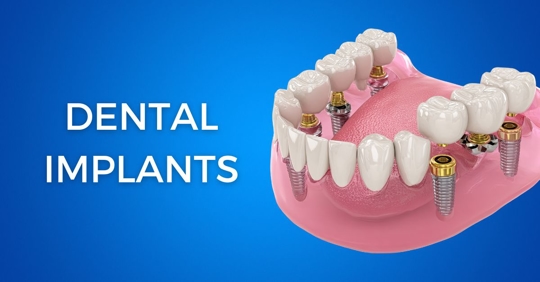
Dental implants are innovative devices designed to replace missing teeth by acting as artificial roots. Constructed from biocompatible materials such as titanium, implants integrate with the jawbone through a natural process called osseointegration, forming a strong and durable foundation for prosthetic teeth. Each implant consists of three primary components: the titanium post that is embedded into the bone, the abutment that connects the post to the external restoration, and the crown that mimics the appearance and function of a natural tooth. The unique compatibility of titanium allows the bone to grow closely around it, ensuring stability and longevity. This integration not only provides the strength required for functional chewing but also maintains facial structure by supporting jawbone health.
Types of Dental Implants
Dental implantology has evolved to offer various implant types catering to different needs and anatomical structures. The most common type is the endosteal implant, which is inserted directly into the jawbone and is suitable for most patients with sufficient bone mass. For those unable to support endosteal implants, subperiosteal implants are an alternative, resting on the bone beneath the gum tissue and supported by a metal frame. Advancements in the field have paved the way for emerging technologies such as mini implants, which are primarily used for stabilizing dentures, and zygomatic implants that circumvent severe bone loss. These innovations not only expand the options available but also improve accessibility for patients with diverse dental conditions, ensuring a tailored approach to restorative dental care.
Eligibility and Considerations
Choosing dental implants involves thorough evaluation to ascertain suitability and maximize success rates. Key considerations include assessing bone density, as adequate bone mass is imperative for implant stability. Oral health conditions such as periodontal disease need to be addressed before proceeding with implants. Furthermore, medical conditions like diabetes or cardiovascular diseases must be controlled, and lifestyle factors, such as smoking, are crucial considerations due to their impact on osseointegration success. A detailed consultation helps determine candidacy, allowing dental professionals to customize treatment plans that account for each patient’s unique health profile and expectations.
Comparing Dental Implants to Other Solutions
Dental Implants vs. Dentures
When comparing dental implants to traditional dentures, the distinctions in comfort, convenience, and longevity become evident. Unlike dentures, which rest on the gums and require adhesives, implants are anchored firmly into the jawbone, providing a natural feel and eliminating slippage during speech or eating. This permanency translates into significant advantages in longevity, often with implants lasting decades if maintained well. Dentures, while initially less expensive, generally need replacements every few years and can contribute to jawbone deterioration over time due to the lack of stimulation that implants provide. This difference highlights implants as not just a restoration option but a long-term health investment.
Dental Implants vs. Bridges
Dental bridges are another common alternative to implants, generally used when one or several teeth are missing. Bridges rely on neighboring teeth for support, often necessitating modification and potential weakening of healthy teeth. Implants, on the other hand, are independent, preserving adjacent teeth and effectively reducing future oral health issues. Regarding lifespan, a well-maintained dental implant can outlast bridges, which typically need replacement every 10-15 years. Moreover, implants promote oral hygiene by maintaining natural tooth spacing, facilitating better cleaning compared to bridgework that may encourage plaque accumulation. Thus, implants ensure comprehensive oral health benefits paired with prolonged durability.
Benefits of Dental Implants
Longevity and Durability
The robust design of dental implants ensures an extraordinary lifespan, often exceeding 20 to 30 years with proper care, far surpassing most other dental restoration solutions. Their durability is attributed to the firm osseointegration process of titanium with the jawbone, resembling the strength of a natural root. Various factors influence this longevity, including the patient's oral hygiene practices, regular dental visits, and lifestyle choices. With no risk of decay and resistance to many forms of wear and tear, implants provide a long-term, stable solution that requires little maintenance beyond typical oral hygiene.
Oral Health and Aesthetics
One of the significant advantages of dental implants is their ability to maintain and even improve oral health. By simulating natural tooth structures, they provide essential stimulation to the jawbone, preventing resorption and bone loss that often accompanies tooth loss. This preservation aids in maintaining facial aesthetics, preventing the sunken appearance that can develop with prolonged tooth absence. In terms of cosmetic appeal, implants are designed to blend seamlessly with the natural dentition, offering a lifelike appearance that boosts confidence and enhances broad aspects of oral functionality.
Improved Functionality
Beyond aesthetics and health preservation, dental implants substantially enhance oral functionality. They restore full chewing power equivalent to natural teeth, allowing individuals to enjoy a varied diet without restriction, which is critical for nutritional health. Additionally, they contribute to clearer speech, eliminating slurring or lisps that can occur with ill-fitting dentures or compromised teeth, significantly improving communication. The seamless integration and stability they provide mean that once adapted, most patients forget they even have implants, thanks to the natural ease of function they promote.
Financial Aspects and Cost-Effectiveness
Initial Costs and Insurance Coverage
The upfront costs of dental implants may appear steep compared to other dental restoration methods. However, these costs are reflective of the sophisticated procedure that includes consultation, surgical placement, the implant itself, and the custom-fitted crown. While insurance coverage for implants varies, many dental policies are beginning to recognize the long-term benefits and are offering partial coverage. Financing options are available and should be explored with the dental office, potentially making implants a viable option for many budgets through manageable payment plans.
Long-Term Cost Benefits
Considering the long-term aspects, dental implants prove to be more cost-effective over time. Unlike dentures or bridges, which require replacement and adjustment costs every several years, implants, if properly maintained, provide decades of reliable function with minimal additional expenses. They eliminate the hidden costs associated with other solutions, such as denture adhesives, special cleaning solutions, or frequent dentist visits for adjustments and repairs. By investing in implants, patients not only save financially in the long-run but also gain immeasurable quality of life improvements by avoiding constant replacements and maintenance concerns.
Longevity and Maintenance of Dental Implants
Care and Maintenance
The longevity of dental implants hinges closely on sufficient care and routine maintenance, akin to natural teeth. Recommended practices include daily brushing and flossing, use of mouthwash to minimize bacterial presence, and regular dental checkups for professional cleaning and monitoring. Unlike dentures, implants do not require special cleaning solutions or soakings overnight. Instead, maintaining a standard of oral hygiene ensures they remain free of peri-implantitis—a common inflammatory condition threatening the longevity of implants. Regular examinations at ProHEALTH Dental in Lake Success, NY, will ensure any issues are detected early, maintaining the overall health of the implant structure.
Potential Complications and Solutions
While dental implants boast high success rates, potential complications, albeit rare, include implant failure and infection. These issues are often manageable when addressed promptly. Implant failure can occur due to insufficient bone integration, often mitigated by a thorough preoperative assessment and preparatory treatments such as bone grafting. For infections like peri-implantitis, early detection and appropriate professional interventions can protect surrounding oral health. At ProHEALTH Dental, patients receive comprehensive aftercare instructions and guidance, ensuring any risk factors are minimized, and implants perform optimally throughout the years.
Technological Advances and Future of Implant Care
The field of dental implantology is continually advancing, heralding exciting developments and improvements. Recent innovations include nanotechnology coatings to promote better bone growth, laser technology for more precise implant placement, and improvements in 3D imaging for superior treatment planning. These technologies aim to enhance the safety and longevity of implants and reduce recovery times, ensuring patients receive the latest in dental care excellence. With ongoing research and development, the future of dental implants promises even greater success rates and personalization, making them an appealing option for restoring oral health and confidence across diverse patient groups.
Schedule Your Consultation with ProHEALTH Dental
Choosing dental implants is a significant decision with permanent impact on your oral health and lifestyle. At ProHEALTH Dental, our team is dedicated to providing you with comprehensive information and expert advice tailored to your individual needs. We invite you to reach out to us for a consultation where you can explore implant options and develop a treatment plan that aligns with your health goals and expectations. Let us help you on your journey to a healthier, more confident smile. Contact us today to schedule your consultation.