
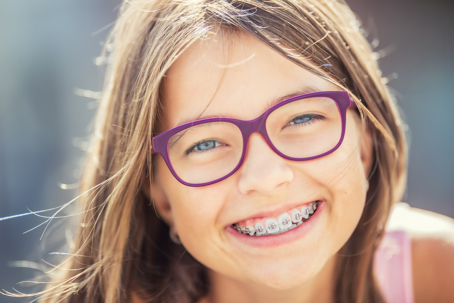
As children grow, their smiles change quickly. Baby teeth fall out, permanent teeth come in, and bite patterns begin to take shape. It’s natural for parents to wonder whether everything is developing as it should. While some alignment changes are part of normal growth, others may indicate the need for an orthodontic evaluation.
Families visiting Kids Are Great Dental in Mt. Kisco, a division of ProHEALTH Dental, often ask how to tell if their child may need braces. The answer isn’t always straightforward. Some signs are visible at home, while others can be identified only through a professional assessment.
Knowing what to look for can help parents decide when to seek guidance from an orthodontist.
What Parents Often Notice at Home
As permanent teeth begin to replace baby teeth, changes in your child’s smile can happen quickly. Some concerns relate to tooth position, while others involve how the upper and lower teeth fit together.
Tooth Position and Spacing Concerns
You may notice visible differences in how your child’s teeth are erupting or aligning.
Common observations include:
Crowded or overlapping teeth – Teeth appear twisted, tightly packed, or difficult to floss between
Excessively spaced teeth – Gaps between teeth that remain as adult teeth come in
Early or delayed loss of baby teeth – Timing differences that may influence how permanent teeth erupt
In some cases, these changes are part of normal growth and improve as the jaw develops. In others, limited space or shifting patterns may persist as permanent teeth emerge. Monitoring these changes between routine dental visits helps determine whether they are developmental or require further evaluation.
Bite Alignment Differences
Beyond how teeth look, you may also notice how your child’s upper and lower teeth come together when the mouth is closed. Bite alignment plays an important role in overall oral development.
Some common bite differences include:
Overbite – The upper front teeth extend too far over the lower front teeth
Underbite – The lower teeth sit in front of the upper teeth
Crossbite – Upper and lower teeth do not align properly from side to side
Open bite – The upper and lower front teeth do not meet when the mouth is closed
Difficulty chewing or uneven contact – Teeth may not meet evenly during biting
While these signs can raise questions, they do not automatically mean braces are needed. Some children benefit from observation, while others may require early intervention. A professional orthodontic evaluation clarifies what is developing normally and what may benefit from treatment planning.
When Should Kids See an Orthodontist?
An orthodontic evaluation is often recommended around age 7. According to the American Association of Orthodontists, this early visit allows providers to assess jaw growth, bite alignment, and spacing concerns, even before all permanent teeth have come in.
An evaluation at this stage does not mean treatment will begin immediately. In many cases, the orthodontist simply monitors development during orthodontic visits rather than beginning treatment right away. Growth timing is important in treatment planning, and sometimes waiting is the most appropriate approach.
During pediatric dental appointments, children’s developing teeth and bite patterns are routinely monitored. If concerns arise, an orthodontic evaluation may be recommended to take a closer look.
Why a Professional Orthodontic Evaluation Matters
Not all visible concerns require braces, and some orthodontic issues are not visible at all.
During an evaluation, providers assess more than just how teeth look. They consider jaw growth, bone development, spacing patterns, and the function of the bite. Panoramic imaging may be used to identify impacted, missing, extra, or developing teeth.
Some conditions benefit from early, limited treatment to guide jaw growth or create space for incoming teeth. Others are best observed until growth progresses further. Only an orthodontic evaluation can determine whether treatment is necessary, when it should begin, and what type of correction is appropriate.
What Happens During an Orthodontic Evaluation?
An orthodontic evaluation is designed to gather a full picture of your child’s oral development.
This appointment may include:
A review of dental and growth history
A visual examination of the teeth and gums
Assessment of bite alignment and jaw positioning
X-ray imaging
A discussion of findings and possible next steps
The goal is not to rush into treatment but to provide clarity. You receive information about your child’s current development and whether monitoring or intervention is recommended.
Planning for Your Child’s Smile
Orthodontic care is not one-size-fits-all. Each child grows at a different pace, and treatment timing depends on individual development. Early evaluation supports informed decisions and helps you plan ahead with confidence.
If you have questions about your child’s bite or tooth alignment,request an appointment online to schedule an orthodontic evaluation at Kids Are Great Dental in Mt. Kisco. Thoughtful monitoring and timely guidance support healthy, well-aligned smiles as children grow.