
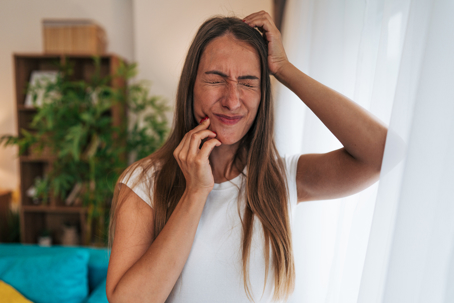
You wake up with a dull ache in your jaw, and your head feels heavy. You might attribute it to a poor night's sleep or staring at screens too long. However, if this keeps happening, the cause could be how your body reacts under stress.
Stress is physical. It tightens muscles, disrupts sleep, and affects the immune system. Your mouth isn't exempt from any of this. A dentist can identify the signs, help protect your teeth from further damage, and relieve some of the discomfort stress creates, starting with something as straightforward as a custom night guard. Understanding how stress appears in your oral health and what your dentist can do about it can help you take meaningful steps to protect your teeth and manage its effects.
Noticing jaw soreness, worn teeth, or frequent headaches? Our team at ProHEALTH Dental evaluates grinding symptoms and fits custom night guards when appropriate. Book online at a location near you.
What Stress Does to Your Mouth
Stress triggers a physical response in the body: elevated cortisol, tense muscles, disrupted sleep, and a weakened immune system. Each of these effects can impact oral health. The four most common are grinding, gum vulnerability, dry mouth, and canker sores.
Teeth Grinding and Jaw Clenching
When stress levels increase, the jaw muscles often tighten. This can happen during the day without you realizing it and, more often, during sleep. Sleep bruxism, which involves grinding and clenching at night, is one of the most direct ways stress impacts dental health.
The issue with sleep bruxism is that most people don't realize it's happening. There's no conscious awareness or immediate discomfort. Instead, signs appear over time: a sore jaw when waking up, morning headaches or ear pain, and teeth that your dentist notices are flattening at the edges. A sleeping partner might hear the grinding before you ever suspect it yourself.
The forces involved are significant. During waking hours, teeth usually come together with moderate pressure during chewing. During sleep grinding, that pressure increases and is sustained throughout the night, which is why the cumulative damage can be substantial even if each episode feels minor.
Gum Health
Stress impacts the immune system, and this link extends to the gums. Chronic stress increases cortisol levels, which impair the body's ability to fight infection. In the mouth, this makes gum tissue more susceptible to bacterial inflammation.
Early gum disease — gingivitis — is common and can be reversed with proper care. However, when immune function declines and bacteria go unchecked, gingivitis can progress to periodontitis, a more severe form of gum disease that damages the bone and tissue supporting the teeth. Research supports a link between psychological stress and heightened susceptibility to periodontal disease. Your dentist watches for these signs during routine checkups, which is one reason those visits are important even when nothing feels wrong.
Dry Mouth
Saliva does more work than most people realize. It neutralizes acids, washes away food particles and bacteria, and helps remineralize tooth enamel. When saliva flow decreases, the oral environment shifts in ways that increase cavity risk.
Stress can decrease saliva production, and many medications used for anxiety, depression, or sleep issues list dry mouth as a side effect. If you notice increased thirst, trouble swallowing dry foods, or a sticky sensation in your mouth, it's worth telling your dentist. These symptoms are manageable, and catching them early can prevent decay.
Canker Sores
Stress seems to increase the chance of canker sores, probably due to its effects on the immune system. They are not contagious and are not caused by the herpes virus. These are small ulcers inside the mouth that usually heal within 10 to 14 days. Having recurrent canker sores during stressful times is a common pattern that is worth noting when they occur frequently.
Signs You Might Be Grinding in Your Sleep
Sleep bruxism often goes unnoticed for months or even years.
These are the most common indicators:
Waking with jaw soreness, headaches, or ear pain — Tightness or aching along the jaw, temples, or around the ears in the morning is a consistent pattern with nighttime grinding.
Tooth sensitivity that wasn't there before — When enamel wears down from repeated grinding, teeth become more reactive to temperature and pressure.
Teeth that appear flatter or more worn — Natural tooth surfaces have subtle contours. Grinding gradually flattens the biting edges and cusps, which your dentist can identify even before you notice it visually.
A sleeping partner who hears grinding — Bruxism can be audible. A comment from someone who sleeps nearby is often the first signal.
Wear patterns noted during a checkup — Your dentist examines the surfaces of your teeth at every visit. Wear patterns consistent with grinding are visible during a clinical exam, which is why regular appointments catch this before the damage becomes significant.
What You Can Do
Managing stress-related dental damage involves two main strategies: protecting the teeth from the physical effects of grinding and addressing the habits and conditions that worsen it. Your dentist assesses what is already happening and suggests the next steps accordingly.
A Custom Night Guard
A custom-fitted night guard is a common first approach for stress-related grinding. It doesn't stop the grinding itself — the reflex occurs regardless — but it acts as a barrier between the upper and lower teeth, absorbing and dispersing pressure and protecting the enamel from direct impact.
The difference between a custom night guard and over-the-counter versions is important. An ill-fitting guard can push the jaw into an uncomfortable position, and some patients find they clench more tightly against a bulky generic device. Your dentist takes an impression and creates a guard that fits to your bite, which is more comfortable and better at protecting your teeth.
Night guards address the mechanical problem. They are not complex TMJ appliances; they are a practical, well-established protective device for patients whose grinding is driven by stress or habit.
Daytime Awareness
Clenching isn't just limited to sleep. Many people unknowingly hold tension in their jaws during the day while concentrating, driving, reading, or engaging in stressful conversations. The natural resting position for teeth is slightly apart, with lips closed and the jaw relaxed. If your upper and lower teeth touch when you're not chewing or speaking, that's clenching.
Setting a phone reminder to check jaw position several times a day can break the habit. It seems straightforward, but awareness is the first step in lowering daytime pressure.
Lifestyle Habits
Stress management does not replace dental treatment, but it can influence what your dentist observes. Regular physical activity lowers cortisol levels, which decreases the physiological stress that causes grinding. Cutting back on caffeine in the afternoon and evening helps the nervous system wind down before sleep. Maintaining a consistent sleep schedule supports restful sleep, allowing jaw muscles to relax rather than remain active throughout the night.
These habits compound. A patient who sleeps better, manages stress more effectively, and wears a night guard consistently will see less progression than someone who relies solely on the guard.
A Dental Checkup
Your dentist will examine your teeth, gum tissue, and jaw during your appointment and look for signs of grinding before you're even aware of them. Flattened tooth surfaces, wear patterns, and tenderness in the jaw muscles are all visible during an exam. If grinding is detected, your dentist will discuss whether a night guard is suitable and the extent of wear that has already occurred.
Stress isn't always quick to resolve, but its effects on your teeth don't have to go unmanaged. The sooner grinding is identified, the sooner it can be treated. If you've been waking up with jaw soreness or your dentist has noted wear patterns, it's worth following up on.
ProHEALTH Dental has locations across New York and New Jersey. Book an appointment online, and your dentist can evaluate whether a night guard is the right fit for you.