Most people don't think of their dentist when they think about sleep apnea. But for millions of adults living with undiagnosed or undertreated obstructive sleep apnea, a dental provider may be exactly where the conversation should start. In recognition of Sleep Apnea Awareness Day on April 18th, this is a good moment to talk about what sleep apnea actually is, why it goes unnoticed for so long, and what role your dental team can play in getting you toward better sleep and better health.
Concerned about your sleep? Contact us online or call (855) 750-5011 to speak with our dental sleep team.
What Is Obstructive Sleep Apnea?
Obstructive sleep apnea (OSA) is a condition in which the muscles in the throat relax during sleep, causing the airway to partially or fully collapse. When that happens, breathing pauses, sometimes for seconds, sometimes longer. The brain senses the disruption and briefly wakes the body to restore airflow. These interruptions can happen dozens of times per hour, and most people have no memory of them in the morning.
The result is fragmented, poor-quality sleep, even when someone believes they're getting a full night of rest. Over time, untreated sleep apnea puts significant strain on the body. It has been linked to a range of serious health concerns, including but not limited to:
● Cardiovascular disease and high blood pressure
● Increased risk of stroke
● Type 2 diabetes
● Chronic fatigue and difficulty concentrating
● Mood changes, including irritability and depression
It's estimated that roughly 80% of people with moderate to severe sleep apnea are undiagnosed. That's a significant number of people dealing with symptoms they may not connect to a sleep disorder at all.
Why Sleep Apnea Is So Commonly Missed
Sleep apnea is easy to overlook because its most obvious symptoms happen while you're asleep. Loud snoring, gasping, and breathing pauses are often noticed first by a partner or family member, not the person experiencing them. During the day, the signs are less dramatic but still disruptive: persistent fatigue, morning headaches, difficulty focusing, or waking up feeling unrested despite a full night in bed.
Many people attribute these symptoms to stress, a busy lifestyle, or just getting older. The connection to a sleep disorder often isn't made until the symptoms become significant enough to prompt a medical conversation, or until a partner raises the concern.
This is part of why the dental office can be a meaningful touchpoint. Dental visits tend to happen regularly, and a trained dental team can identify potential signs of sleep-disordered breathing during routine care, including changes in oral tissue, tooth wear patterns associated with nighttime grinding, and jaw position.
What Is Oral Appliance Therapy?
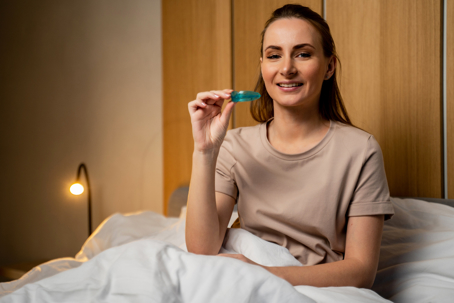
ProHEALTH Dental's dental sleep treatment program uses oral appliance therapy (OAT) to treat obstructive sleep apnea for patients who qualify. Oral appliance therapy involves a custom-fitted device worn during sleep that gently repositions the jaw and tongue to keep the airway open. It works by preventing the throat from collapsing, which is the root cause of apnea events in most patients with OSA.
Oral appliances are not one-size-fits-all. At ProHEALTH Dental, devices are custom-made based on impressions of your teeth and bite, which means they fit comfortably and work as intended. The process involves a thorough evaluation, collaboration with your physician when appropriate, and careful fitting to ensure the device is effective and comfortable to wear.
How Oral Appliance Therapy Compares to CPAP
CPAP (Continuous Positive Airway Pressure) therapy is the most widely prescribed treatment for sleep apnea, and it's highly effective when used consistently. However, many patients find it difficult to use long-term due to discomfort, noise, or the inconvenience of traveling with the equipment. Oral appliance therapy is often recommended as an alternative for patients with mild to moderate OSA, or for those who have tried CPAP and found it wasn't workable for them.
OAT is quieter, more portable, and doesn't require electricity. For patients who are a good candidate, it can be a practical and effective path toward meaningful improvement in sleep quality. Your dental provider and physician will determine together whether oral appliance therapy is appropriate for your specific situation.
Signs You Should Talk to a Dental Provider About Sleep
You don't need a formal diagnosis before reaching out. If you're experiencing any of the following, it's worth starting a conversation:
● Loud or frequent snoring that you or your partner have noticed
● Waking up feeling tired despite sleeping for 7 or more hours
● Morning headaches that don't have another clear explanation
● Difficulty concentrating or staying focused during the day
● Being told you stop breathing during sleep or gasp for air while sleeping
● Waking frequently during the night without knowing why
These symptoms don't confirm a diagnosis, and only a licensed medical professional can evaluate and diagnose sleep apnea. But if several of these sound familiar, a dental sleep consultation is a reasonable and low-barrier place to begin. ProHEALTH Dental also offers a sleep disorder screening questionnaire that can help identify whether a formal sleep study may be worth pursuing.
The Role of Your Dental Team in Sleep Health
The connection between oral health and overall health is central to how ProHEALTH Dental approaches patient care. Sleep apnea is a clear example of a condition where the dental office and the medical office need to work together, and our sleep dentists are trained to do exactly that.
When a patient comes in for a sleep-related concern, our team conducts a thorough assessment. We don't diagnose sleep apnea, as that requires a sleep study overseen by a physician. But we can be an essential part of the care team once a diagnosis is established.
This collaborative model reflects the broader mission of ProHEALTH Dental: treating the whole patient, not just the teeth.
Talk to ProHEALTH Dental About Dental Sleep Treatment
If you've been struggling with poor sleep, fatigue, or snoring, and you haven't found answers yet, a conversation with our dental sleep team is a straightforward next step. ProHEALTH Dental offers dental sleep treatment at locations across New York, with providers trained in oral appliance therapy and experienced in working alongside your other healthcare providers to coordinate your care.
There's no pressure and no judgment, just a conversation about your symptoms, your health history, and whether a dental sleep evaluation makes sense for you.
Book an appointment online or call us at (855) 750-5011 to get started. You can also download our Sleep Disorder Screening Questionnaire to share with your provider at your first visit.